The Ship Alone books
Four books, one person, no team
Four books on one person building, charging for and running small software products. Read them in any order.
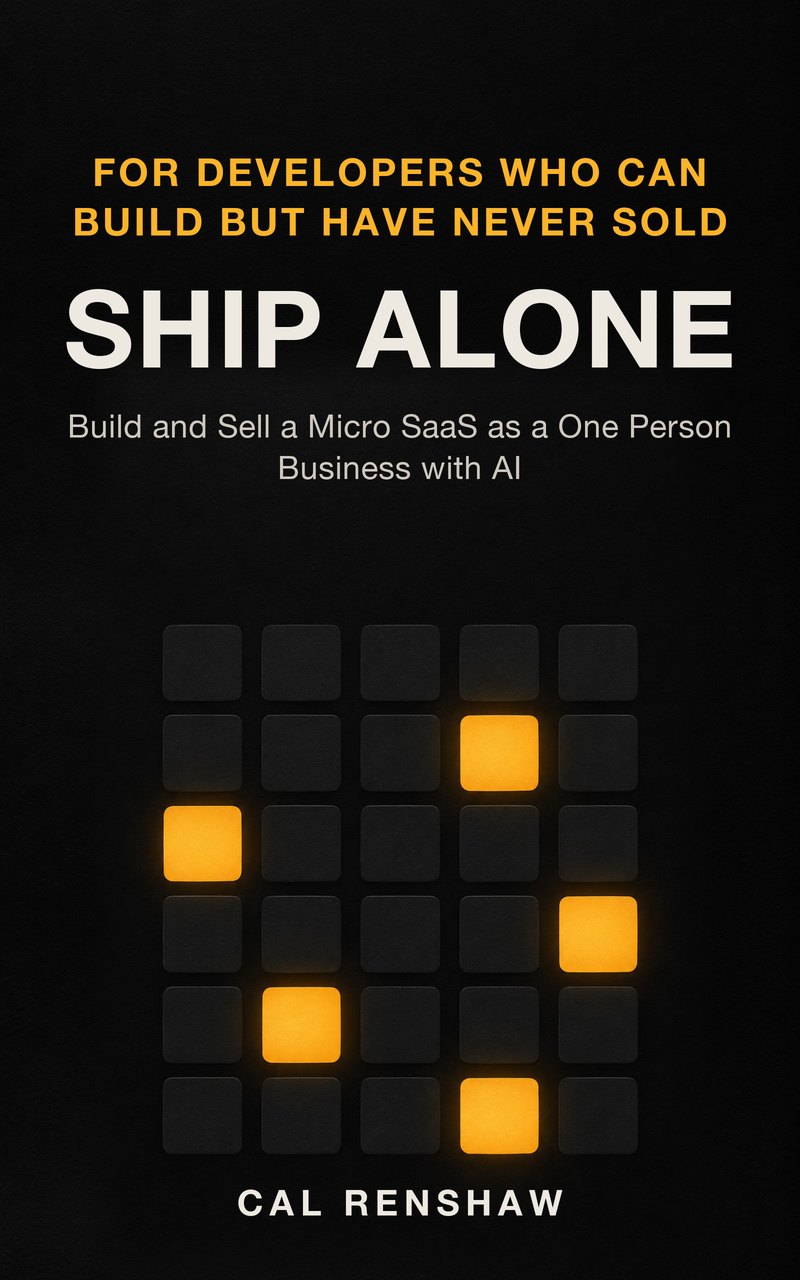
For developers who can build but have never sold
Ship Alone
Build and Sell a Micro SaaS as a One Person Business with AI
The method: choose, build, charge for and launch a small product on your own, and know when to stop.
You can build it. You just can't sell it.
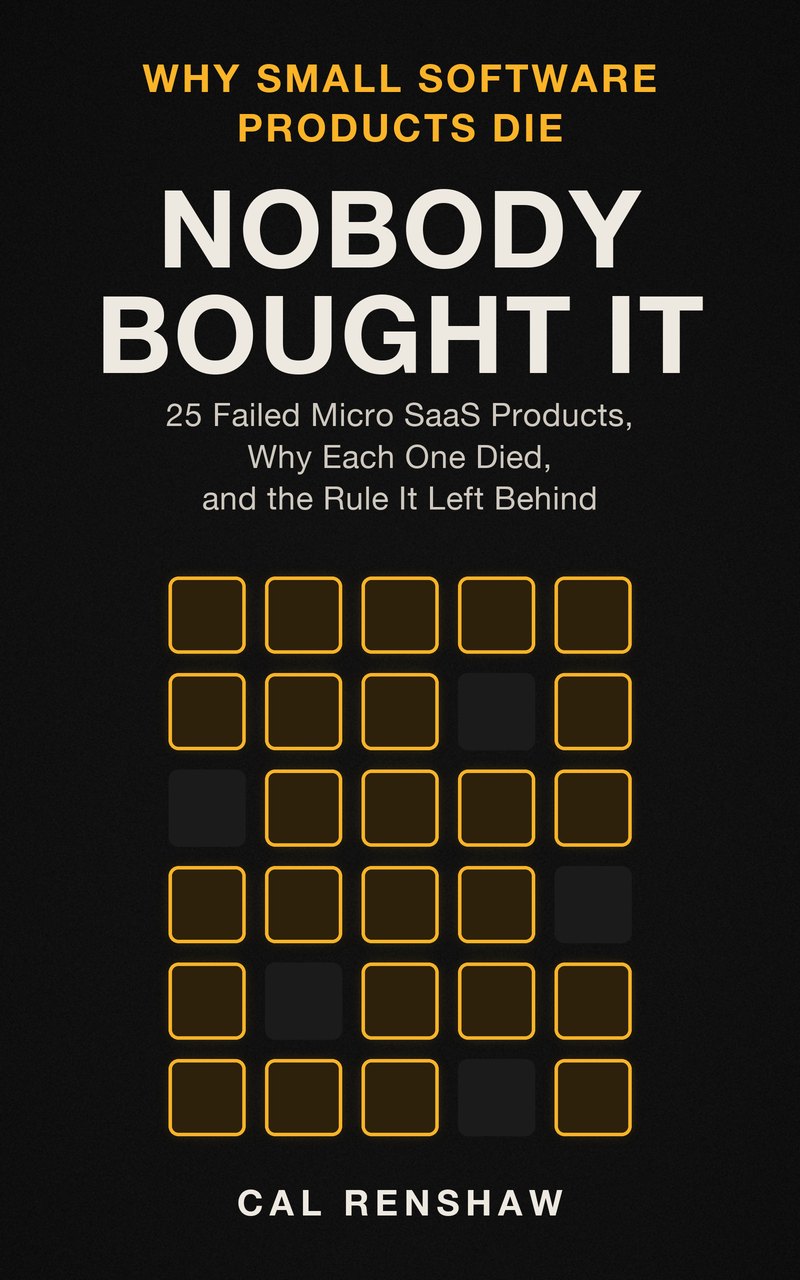
Why small software products die
Nobody Bought It
25 Failed Micro SaaS Products, Why Each One Died, and the Rule It Left Behind
The evidence: 25 dead products, one chapter each, and the rule each death left behind.
25 small software products. 25 funerals. One folder of notes, written the week each one died.
Not yet published
About the book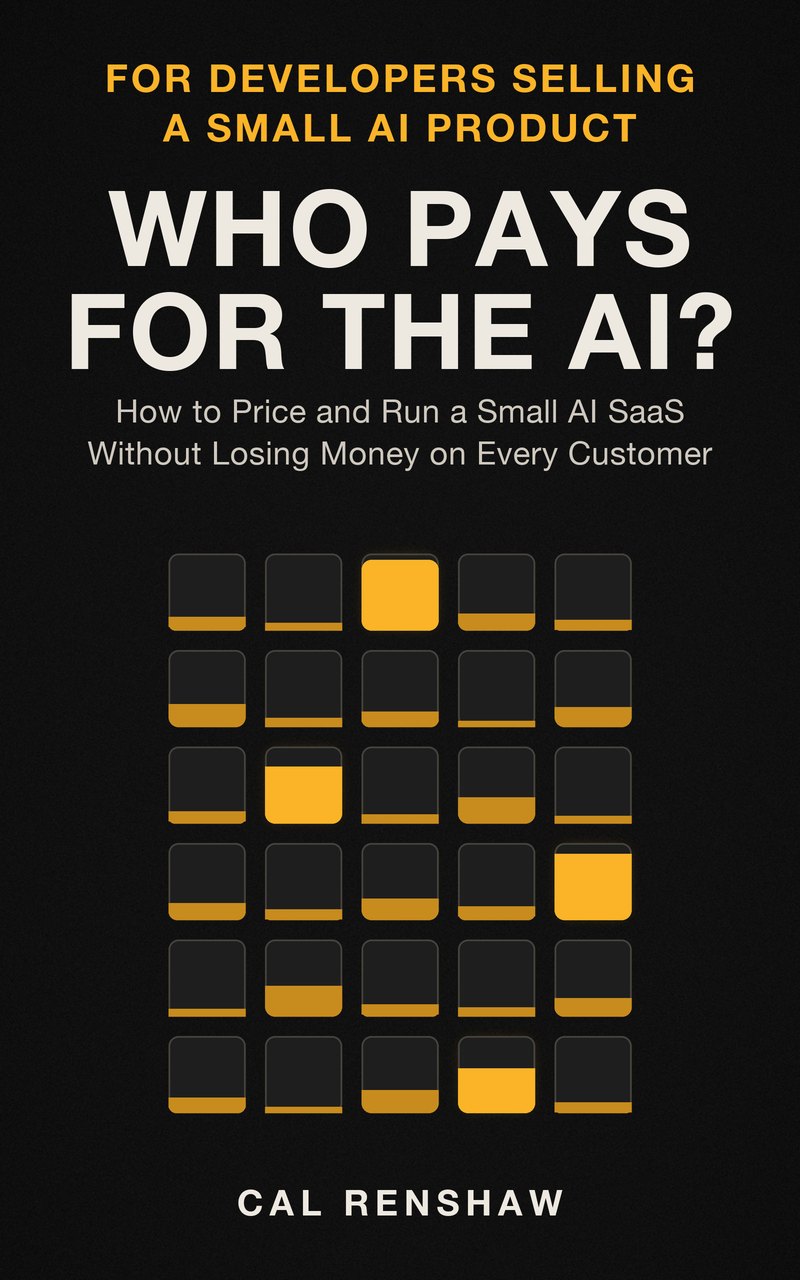
For developers selling a small AI product
Who Pays for the AI?
How to Price and Run a Small AI SaaS Without Losing Money on Every Customer
The bill: pricing and running a product with a model inside it, so every customer costs less than they pay.
A product with a model inside it has 2 invoices. This book is about the one you receive.
Not yet published
About the book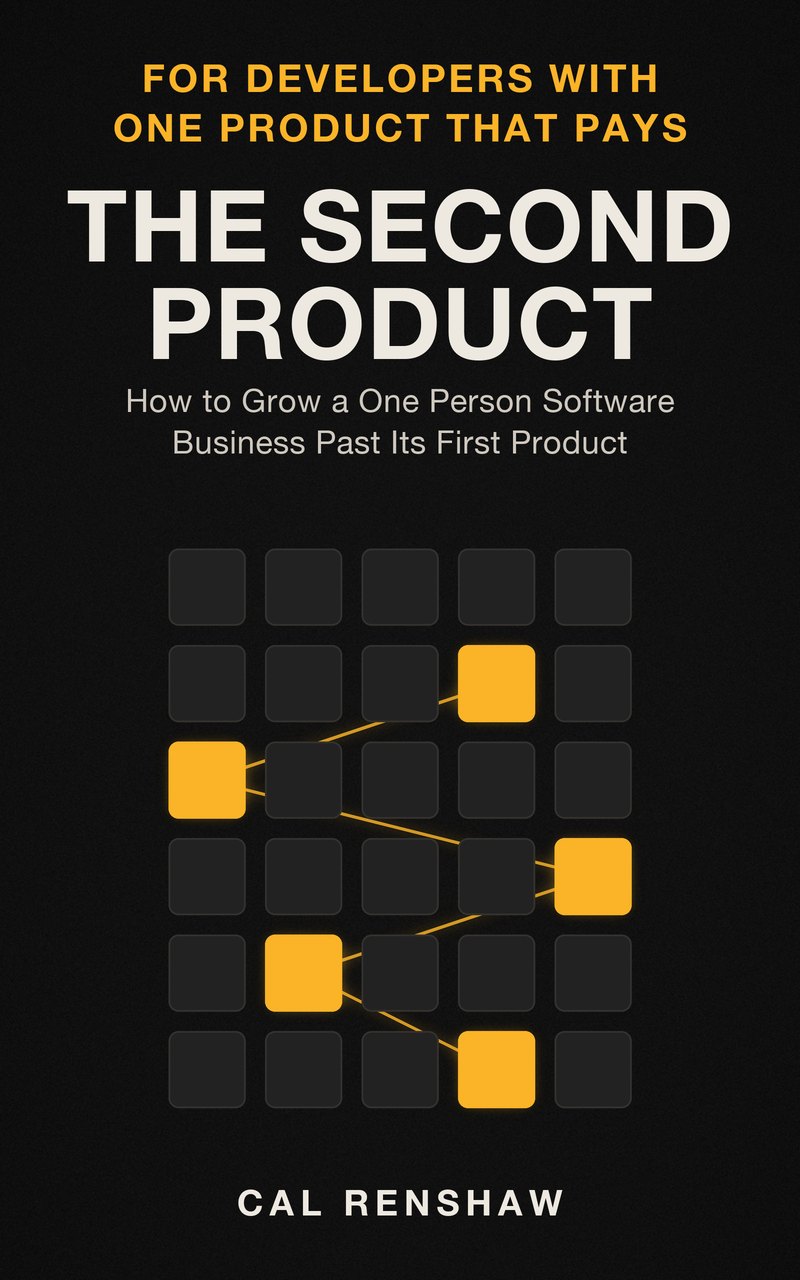
For developers with one product that pays
The Second Product
How to Grow a One Person Software Business Past Its First Product
What comes next: growing past the first product without running out of evenings.
The first product that pays feels like the end of something. It is the start of a different problem.
Not yet published
About the book